Volume: 12 Issue: 3 June 2014
FULL TEXT
Objectives: Pneumonia is an important cause of morbidity and mortality in recipients of solid-organ transplant. We aimed to determine risk factors for development of pneumonia and associated deaths in kidney transplant recipients.
Materials and Methods: A retrospective review of medical records was performed for all kidney transplant recipients from December 1988, to April 2011. The diagnosis of community-acquired pneumonia was made from symptoms, clinical findings, and chest radiography. The diagnosis of nosocomial pneumonia was made according to published criteria. Laboratory and serologic tests, radiographic findings, cultures of respiratory specimens, and tissue biopsies were reviewed.
Results: In 406 kidney transplant recipients, there were 82 patients (20%) who had 111 episodes of pneumonia, including 49 nosocomial episodes of pneumonia (44%). Bacterial infections were the most common cause (34 episodes [31%]). In multivariate analysis, significant risk factors associated with pneumonia episodes were older age, hypertension, cardiac disease, history of acute graft rejection, and not using everolimus/mycophenolate mofetil/prednisolone protocol. There were 28 episodes that resulted in death (25%), including 20 nosocomial episodes (71%). In multivariate analysis, significant risk factors associated with death from pneumonia episodes were antibiotic use in the previous 3 months, high C-reactive protein, and low albumin. Cutoff values for increased risk of death from pneumonia included C-reactive protein > 10 mg/dL and procalcitonin > 8.8 ng/mL.
Conclusions: Recipients of kidney transplant may be at risk for pneumonia and associated death. Nosocomial pulmonary infections may be associated with marked morbidity and mortality in kidney transplant recipients.
Key words : Renal failure, Nephrology, Lung, Infection
Introduction
Infectious complications markedly increase morbidity and mortality after kidney transplant. Sepsis and pulmonary infections are associated with high mortality.1,2 Although effective prophylactic and immunosuppressive regimens reduce the incidence of pulmonary infections after transplant, bacterial pneumonia is the most common cause of acute respiratory failure.3 However, little information is available about risk factors for developing infection and death in kidney transplant recipients with lower respiratory tract infection such as pneumonia.4 The purpose of the present study was to identify the characteristics of episodes of pneumonia and risk factors for developing pneumonia and its related mortality in kidney transplant recipients.
Materials and Methods
Subjects
The study retrospectively evaluated medical records of all adult kidney
transplant recipients who had kidney transplant from December 1988 to April 2011
at the transplant unit of a university hospital. The study protocol was approved
by the hospital Institutional Review Board and was conducted in accordance with
the Declaration of Helsinki.
Evaluation
In all kidney transplant recipients, records were reviewed for information
about patient age, sex, and cause of end-stage renal disease; serology for
cytomegalovirus (CMV), hepatitis B, and hepatitis C before transplant;
dialysis type and duration; donor type (deceased-donor or living); history of
delayed graft function, acute or chronic rejection, comorbid diseases,
tuberculosis, chronic pulmonary disease, and smoking; and initial
immunosuppressive regimen.
We reviewed all episodes of fever, cough, and new pulmonary infiltrate from the beginning of transplant to the day of graft failure or patient death. Pulmonary infections were defined by the presence of respiratory insufficiency of any severity, fever, and compatible radiographic findings with or without positive culture of bronchial aspirate. Community acquired pneumonia was defined as an acute pulmonary parenchymal infection associated with an acute infiltrate on chest radiography, with ≥ 2 symptoms including fever (> 38°C), hypothermia (< 36°C), rigors, sweats, new cough, change in color of respiratory secretions, chest discomfort, or dyspnea.5 The diagnosis of nosocomial pneumonia was made according to published criteria.6
The clinical records of transplant recipients who had pneumonia were reviewed for clinical signs and symptoms, kidney function, laboratory tests, serology, blood and other cultures, radiographic findings, diagnostic and therapeutic procedures, other infectious events concurrent with pneumonia, the doses of immunosuppressive drugs at the time of diagnosis of infection, and the response to treatment. The severity of pneumonia was assessed with CURB-65 criteria for community acquired pneumonia;7 based on the modified British Thoracic Society assessment tool, the CURB severity score (range, 0-4 points) was calculated as the sum of points given for each feature present (1 point given for each feature): confusion, urea > 7 mmol/L, respiratory rate > 30 breaths/min, and low blood pressure (diastolic < 60 mm Hg or systolic < 90 mm Hg).
Treatment
After diagnosis or suspicion of pneumonia, a respiratory specimen (sputum
culture and/or bronchial aspirate) was collected, stained (Gram and
Ziehl-Neelsen stain), and cultured for bacterial pathogens, fungi, and
mycobacteria. Fiberoptic bronchoscopy and bronchoalveolar lavage were performed
when there were multiple, bilateral, or diffuse pulmonary infiltrates or when
there was no clinical or radiographic response after antimicrobial therapy. All
microbiologic analyses of samples obtained from bronchoalveolar lavage were
repeated. Serologic tests were performed for CMV, chlamydia, and mycoplasma.
Bacterial pneumonia was diagnosed when blood or sputum samples showed pathogenic
bacteria. Chlamydia and mycoplasma were considered pathogenic when elevated
antibody titers were noted and there was clinical response to treatment.
Pneumonia caused by CMV was considered when the elevated titers of CMV DNA were
noted in serum or bronchoalveolar lavage specimens or in the presence of
histopathological findings. Pneumocystis carinii pneumonia was diagnosed
by immunofluorescent stain. Identification of legionella and mycobacteria was
diagnostic. Fungal pneumonia was diagnosed when (1) fungal hyphae were
identified by cytopathologic or histopathologic evaluation of bronchoscopic
transbronchial lung biopsy or ultrasonography-guided percutaneous lung
aspiration specimens; (2) positive culture findings were noted from
bronchoalveolar lavage fluid, lung tissue, or blood; and (3) clinical and
radiographic patterns were consistent with the diagnosis.
Surgical prophylaxis included a single dose of a cephalosporin. Other antimicrobial prophylaxis included trimethoprim/sulfamethoxazole for 6 to 9 months after transplant. Antiviral prophylaxis included acyclovir or valganciclovir. Isoniazid prophylaxis (9 mo) was given to transplant recipients who had a history of tuberculosis or positive tuberculin skin test (> 5 mm).
All patients received initial triple immunosuppressive therapy with prednisolone, an antimetabolite (mycophenolate mofetil or azathioprine), and a calcineurin inhibitor (cyclosporine or tacrolimus), or mammalian target of rapamycin inhibitor (sirolimus or everolimus). If required, antibody therapy (interleukin-2 receptor antagonist or antithymocyte globulin) also was given. All patients received intraoperative methylprednisolone (500 mg IV) and postoperative prednisolone (1-2 mg/kg/d oral for 1 mo; then 30-40 mg/d after 1 mo; then 20-40 mg/d after 2 mo; then 10-20 mg/d after 6 mo). After the introduction of tacrolimus, mycophenolate mofetil, and interleukin-2 receptor antagonists, lower prednisolone doses were given. Calcineurin inhibitors or mammalian target of rapamycin inhibitors were given according to the physician’s preference and immunologic risks. The 5 main initial immunosuppressive protocols were (1) mycophenolate mofetil/tacrolimus/ prednisolone (117 patients); (2) mycophenolate mofetil/cyclosporine/prednisolone (106 patients); (3) azathioprine/cyclosporine/prednisolone (95 patients); (4) mycophenolate mofetil/everolimus/ prednisolone (39 patients); and (5) mycophenolate mofetil/sirolimus/prednisolone (10 patients). Cyclosporine (8-12 mg/kg, twice daily, oral) and tacrolimus dosages (0.05-0.1 mg/kg, twice daily, oral) were adjusted to achieve target levels of 200 to 400 ng/mL (peak) and 8 to 12 ng/mL (trough) for the first 3 months and 100 to 200 ng/mL (peak) and 5 to 8 ng/mL (trough) after 3 months. Everolimus (0.75 mg, twice daily, oral) and sirolimus (loading dose, 6 mg on day 1; maintenance dose, 2 mg once daily) dosages were adjusted to achieve a target level of 3 to 8 ng/mL (trough).
Acute graft rejection was treated with methylprednisolone (1 g/d for 3 d, IV) as first-line treatment. Antithymocyte globulin was given for steroid-resistant rejection. During episodes of pneumonia, the decision to reduce immunosuppressive therapy was individualized according to the patient’s clinical status. When there was a poor response to treatment or the course of pneumonia was serious and progressive, azathioprine or mycophenolate mofetil were withdrawn and, when required, the calcineurin inhibitor also was withdrawn.
Laboratory analyses
The C-reactive protein (CRP) level was measured with a kit (CardioPhase hsCRP
kit, Siemens Healthcare Diagnostics, Marburg, Germany) with immunonephelometry
(Behring Nephelometer Systems, Marburg, Germany). The values for healthy
individuals were ≤ 3 mg/L. The normal range of CRP in the serum of 2197 healthy
individuals using this assay was 1.69 mg/L. The mean intra-assay coefficient of
variation was < 4.4 and interassay coefficient of variation was < 5.7.
Procalcitonin levels were measured with an automatic analyzer (VIDAS
B.R.A.H.M.S. procalcitonin assay, bioMérieux, Marcy L'Etoile, France). The lower
limit of detection of the assay was 0.05 ng/mL. Procalcitonin levels could be
determined in only 69 episodes of pneumonia.
Statistical analyses
Statistical analyses were performed with SPSS software (SPSS: An IBM Company,
version 13.0, IBM Corporation, Armonk, NY, USA). Data are presented as
frequency, mean, and standard deviation. The normality and homogeneity of the
data were evaluated by Shapiro-Wilk test and Levene's test. Numerical variables
were compared with Wilcoxon signed rank test within groups and Mann-Whitney U
test between groups. Categorical variables were compared using the chi-square
test or Fisher exact test. Logistic regression analysis was used to determine
the relative risks of developing pneumonia after transplant and the risk of
death in patients who had pneumonia. Only the variables with a statistically
significant association in the simple logistic regression model were included in
the multiple logistic regression model. Odds ratios (OR) and 95% confidence
intervals (CI) were determined. Receiver operating characteristic analysis was
used to determine the cutoff value for increased risk of pneumonia and death.
Kaplan-Meier survival analysis was used to analyze the frequency of death from
fungal and bacterial infections in transplant recipients. Statistical
significance was defined by P ≤ .05.
Results
Pneumonia episodes
Most transplant recipients were male (Table 1). There were 111 episodes of
pneumonia in 82 patients (20%), including a 14 patients who had 2 episodes, 6
patients who had 3 episodes, and 1 patient who had 4 episodes of pneumonia.
There were 62 community acquired episodes (56%) and 49 nosocomial episodes of
pneumonia (44%). Bacterial infections were the most common cause of pneumonia
(34 episodes [31%]), especially Haemophilus influenzae, Stenotrophomonas
maltophilia, and Pseudomonas aeruginosa. One of the most commonly
used diagnostic procedure for obtaining respiratory samples was bronchoscopy,
performed in 23 episodes, with a diagnostic yield of 12 episodes (52%). In 42
episodes (38%), no organisms were isolated. Fungal infections, especially
Aspergillus fumigatus, were noted in 25 pneumonia episodes (23%) and viral
infection in 10 pneumonia episodes (9%). Fungal cause of infection was
significantly higher in nosocomial than community acquired pneumonia
(nosocomial, 18 episodes [37%]; community acquired, 7 episodes (11%); P ≤
.002). The pneumonia episodes occurred during the first month after transplant
in 12 episodes (11%); from 1 to 6 months after transplant in 39 episodes (35%);
and > 6 months after transplant in 60 episodes (54%).
Patients who had pneumonia episodes were more frequently male, were older, and had a higher frequency of death, obesity, diabetes mellitus, hypertension, cardiac disease, smoking, and acute graft rejection than patients who did not have pneumonia (Table 1). Patients with pneumonia received the everolimus/mycophenolate mofetil/prednisolone protocol less frequently than did patients without pneumonia (Table 1). There was no difference between patients who had or did not have pneumonia in frequency of dialysis type and duration, cause of renal failure, delayed graft function, tuberculosis, or chronic graft rejection (Table 1). The cutoff age for an increased risk of pneumonia was 34 years (sensitivity, 58%; specificity, 59%).
In multivariate analysis, significant risk factors associated with pneumonia episodes were: older age (OR=1.02; 95% CI: 1-1.05; P ≤ .03), hypertension (OR=3.0; 95% CI: 1.5-6.2; P ≤ .003), cardiac disease (OR=11.5; 95% CI: 2.4-56.1; P ≤ .002), history of acute graft rejection (OR=11.3; 95% CI: 3.7-35; P ≤ .001), and not using everolimus/mycophenolate mofetil/prednisolone protocol (OR=10.7; 95% CI: 2.9-39.1; P ≤ .001).
Death
Most pneumonia episodes were not associated with death (Table 2). Factors that
were significantly associated with death from pneumonia episodes included
earlier mean time from transplant to development of pneumonia; higher mean dose
of prednisolone; higher frequency of increase in immunosuppression and
antibiotic use; higher mean pulse; higher mean CURB-65 score, erythrocyte
sedimentation rate, serum urea, C-reactive protein, and procalcitonin; lower
mean hemoglobin and albumin; and more frequent occurrence of other infectious
events (Tables 2 and 3). Cutoff values for increased risk of death from
pneumonia wereC-reactive protein > 10 mg/dL (sensitivity 54%and specificity
78%); procalcitonin > 8.8 ng/mL (sensitivity 41% and specificity 89%); and
CURB-65 > 1 (sensitivity 88% and specificity 91%). There was no significant
difference in immunosuppressive drug type, systolic or diastolic blood pressure,
pathogen type, leukocyte count, creatinine, glucose, or occurrence of
superinfection between patients who had death and patients who had no death from
pneumonia.
In 82 kidney transplant recipients who developed pneumonia, Kaplan-Meier plots showed that there was no difference in survival between patients who had bacterial (26 patients) or nonbacterial (56 patients) infection (hazard ratio = 0.63; 95% CI: 0.28-1.44; NS) or between patients who had fungal (18 patients) or nonfungal (64 patients) infections (hazard ratio = 0.68; 95% CI: 0.26-1.78; NS) (Figure 1).
Nosocomial pneumonia more frequently caused death than community acquired
pneumonia (nosocomial, 20 deaths [71% ]; community acquired, 8 deaths [29%];
P ≤ .001). Death was seen more frequently in patients with nosocomial
pneumonia that had longer stay than in patients with a shorter hospital stay
(death, 28 ± 20 d; no death, 18 ± 15 d; P ≤ .05). Patients who had
pneumonia causing death had significantly greater oxygen demand (P ≤
.001), positive microbial growth in cultures (blood, tracheal aspirate, and
catheter) (P ≤ .004), and other infectious events (P ≤ .004) than
patients who had pneumonia not resulting in death. Urinary tract infection (5
episodes) was the most common extrapulmonary infection in the 28 pneumonia
episodes associated with death. Superinfection developed after 13 pneumonia
episodes (10 bacterial and fungal; 1 viral and bacterial or fungal; 1 bacterial,
fungal, and viral), but superinfection did not have greater risk of death
(death, 6 episodes [21%] vs no death, 7 episodes [8%]; NS). Admission to the
intensive care unit was necessary for 30 episodes of pneumonia, and 28 episodes
(93%) resulted in death.
In multivariate analysis, significant risk factors associated with death from
pneumonia episodes were antibiotic use in the previous 3 months (OR=19; 95% CI:
2.5-148; P ≤ .004), high C-reactive protein (OR=1.1; 95% CI: 1.0-1.2;
P ≤ .021), and low albumin (OR=4.1; 95% CI: 1.66-1.03; P ≤ .002).
Discussion
The present study showed that 82 of 406 kidney transplant recipients (20%) had 111 episodes of pneumonia. Respiratory tract infections comprise 8.9% of all infectious episodes after kidney transplant.1 Although the incidence of pneumonia varied from 12% to 18% in other studies,8,9 a recent study of 610 renal transplant recipients showed pneumonia episodes in 54 subjects (8.8%).10 The varied use of prophylactic antibiotics may explain the differences observed in different studies about the incidence of respiratory tract infections.1 The higher frequency of pneumonia in the present study may have occurred because the study included a longer time interval (1988 to 2011) than other studies did.
In the present study, there was a low cutoff value for age associated with increased risk of pneumonia, according to us. This may have resulted because of the younger patient population in the present study.10 In addition, the risk of pneumonia was associated with a history of acute rejection (11.3-fold), cardiac disease (11.5-fold), hypertension (3.0-fold), older age (1.02-fold), and not using everolimus/mycophenolate mofetil/prednisolone (10.7-fold). In a previous study, kidney transplant recipients who received azathioprine and antilymphocyte globulin had a higher frequency of pneumonia than did patients who received cyclosporine.11 Mycophenolate mofetil also may be a risk factor for infectious complications in kidney transplant recipients.1 Although some previous studies did not evaluate everolimus,1 CMV infections may be less frequent in patients receiving everolimus.12 Pneumonitis is a potential adverse event associated with mammalian target of rapamycin inhibitors, and 8% to14% patients treated with everolimus for immunosuppression after solid-organ transplant may develop interstitial pneumonitis.13
Acute transplant rejection episodes are frequently associated with infection. The use of additional doses of immunosuppressive drugs to treat rejection may increase the risk of developing an infection. Use of methylprednisolone may cause a 1.29-fold increased risk of developing infectious episodes.1 An important factor related to pulmonary infection is the presence of reduced renal function in infected than noninfected patients.4 In the present population, the mean serum creatinine at the end of the first month after transplant was higher in recipients with pneumonia than it was in noninfected controls. Interventions such as dosage increase or other intensive treatments may have increased the risk of nosocomial pneumonia in some recipients who had been hospitalized for impaired renal function. Uremia may impair lung bacterial clearance.14 Significantly more frequent bacterial infections occur in patients with delayed graft function, pretransplant diabetes, and female sex.15 Nondiabetics, women, and recipients of grafts from living related donors may be at lower risk of developing pneumonia when treated with cyclosporine.11
Pneumonia-related frequency of death in the present study was similar to previous studies (15% to 29%).8,16 Although male sex, history of diabetes mellitus, and cigarette smoking were significant risk factors for death in the univariate analysis in the present study, they were not significant risk factors in the multivariate analysis. Risk of death was increased by use of antibiotics in the previous 3 months (19-fold), low albumin (4.1-fold), and high C-reactive protein (1.1-fold). Previous antibiotic use may cause the appearance of more resistant pathogens. Serum albumin, which is commonly evaluated in hospitalized patients, may be a reliable predictor of outcome in critically ill patients who have infectious diseases.17 Low serum albumin level also has been associated with morbidity and mortality in various diseases.18 Low serum albumin (< 3.3 mg/dL) or high C-reactive protein (≥ 14.3 mg/dL) may be associated with death in patients with community-acquired pneumonia.19 However, there is limited information available about the association between C-reactive protein and procalcitonin with death from pneumonia in transplant recipients. The CURB-65 criteria for community acquired pneumonia were used to assess severity of pneumonia in the present immunosuppressed patient population. These criteria were used previously only for community acquired pneumonia of immunocompetent patients. In a previous study that excluded immunocompromised patients, patients with CURB-65 score > 2 were at high risk of death.6 In the present study, the cutoff score for an increased risk of death from pneumonia was 1, and this lower value may be associated with the immunosuppression in these patients.
In the present study, community-acquired pneumonia was more common than nosocomial pneumonia but it had a more benign clinical course than nosocomial pneumonia. Nosocomial lung infections usually have high morbidity and mortality and frequently require treatment with invasive mechanical ventilation in intensive care units. In a study that evaluated kidney transplant recipients in an intensive care unit who had acute respiratory failure, death was associated with the severity of respiratory and hemodynamic problems, including bacterial and fungal pneumonia.3 In the present study, there was no difference in pathogen type between pneumonia episodes associated with or without death. In a previous study, multivariate analysis showed that nosocomial pneumonia and the need for mechanical ventilation were associated with greater risk of death.20 In the present study, nosocomial pneumonia and oxygen demand were significant risk factors for death in univariate but not multivariate analysis.
In conclusion, the present study showed that comorbid disease, history of acute graft rejection, and older age were associated with an increased risk of developing pneumonia in kidney transplant recipients. Death of patients who had pneumonia was associated with antibiotic use in the previous 3 months, high C-reactive protein, and low serum albumin.
References:
- Sousa SR, Galante NZ, Barbosa DA, Pestana JO. Incidence of infectious complications and their risk factors in the first year after renal transplantation. [in English and Portuguese] J Bras Nefrol. 2010;32(1):75-82.
- Ingsathit A, Avihingsanon Y, Rattanasiri S, et al. Different etiologies of graft loss and death in Asian kidney transplant recipients: a report from Thai Transplant Registry. Transplant Proc. 2010;42(10):4014-4016.doi: 10.1016/j.transproceed.2010.09.061.
- Canet E, Osman D, Lambert J, et al. Acute respiratory failure in kidney transplant recipients: a multicenter study. Crit Care. 2011;15(2):R91.doi: 10.1186/cc10091.
- Munda R, Alexander JW, First MR, Gartside PS, Fidler JP. Pulmonary infections in renal transplant recipients. Ann Surg. 1978;187(2):126-133.
- Phua J, See KC, Chan YH, et al. Validation and clinical implications of the IDSA/ATS minor criteria for severe community-acquired pneumonia. Thorax. 2009;64(7):598-603.doi: 10.1136/thx.2009.113795.
- Healthcare Infection Control Practices Advisory Committee; Centers for Disease Control and Prevention (U.S.). Guidelines for preventing health-care-associated pneumonia, 2003 recommendations of the CDC and the Healthcare Infection Control Practices Advisory Committee. Respir Care. 2004;49(8):926-939.
- Lim WS, van der Eerden MM, Laing R, et al. Defining community acquired pneumonia severity on presentation to hospital: an international derivation and validation study. Thorax. 2003;58(5):377-382.
- Luo W. Pulmonary infections in renal transplant recipients [in Chinese]. Zhonghua Yi Xue Za Zhi. 1991;71(5):246-248, 18.
- Jha R, Narayan G, Jaleel MA, et al. Pulmonary infections after kidney transplantation. J Assoc Physicians India. 1999;47(8):779-783.
- Hoyo I, Linares L, Cervera C, et al. Epidemiology of pneumonia in kidney transplantation. Transplant Proc. 2010;42(8):2938-2940.doi: 10.1016/j.transproceed.2010.07.082.
- Hesse UJ, Fryd DS, Chatterjee SN, Simmons RL, Sutherland DE, Najarian JS. Pulmonary infections. The Minnesota randomized prospective trial of cyclosporine vs azathioprine-antilymphocyte globulin for immunosuppression in renal allograft recipients. Arch Surg. 1986;121(9):1056-1060.
- Patel JK, Kobashigawa JA. Everolimus: an immunosuppressive agent in transplantation. Expert Opin Pharmacother. 2006;7(10):1347-1355.
- White DA, Camus P, Endo M, et al. Noninfectious pneumonitis after everolimus therapy for advanced renal cell carcinoma. Am J Respir Crit Care Med. 2010;182(3):396-403.doi: 10.1164/rccm.200911-1720OC.
- Goldstein E, Green GM. The effect of acute renal failure on the bacterial clearance mechanisms of the lung. J Lab Clin Med. 1966;68(4):531-542.
- Dharnidharka VR, Agodoa LY, Abbott KC. Risk factors for hospitalization for bacterial or viral infection in renal transplant recipients--an analysis of USRDS data. Am J Transplant. 2007;7(3):653-661.
- Chang GC, Wu CL, Pan SH, et al. The diagnosis of pneumonia in renal transplant recipients using invasive and noninvasive procedures. Chest. 2004;125(2):541-547.
- Artero A, Zaragoza R, Camarena JJ, Sancho S, González R, Nogueira JM. Prognostic factors of mortality in patients with community-acquired bloodstream infection with severe sepsis and septic shock. J Crit Care. 2010;25(2):276-281. doi: 10.1016/j.jcrc.2009.12.004.
- de Mutsert R, Grootendorst DC, Indemans F, et al. Association between serum albumin and mortality in dialysis patients is partly explained by inflammation, and not by malnutrition. J Ren Nutr. 2009;19(2):127-135.doi: 10.1053/j.jrn.2008.08.003.
- Lee JH, Kim J, Kim K et al. Albumin and C-reactive protein have prognostic significance in patients with community-acquired pneumonia. J Crit Care. 2011;26(3):287-294.doi: 10.1016/j.jcrc.2010.10.007.
- Cervera C, Agustí C, Angeles Marcos M, et al. Microbiologic features and outcome of pneumonia in transplanted patients. Diagn Microbiol Infect Dis. 2006;55(1):47-54.

Volume : 12
Issue : 3
Pages : 205 - 211
DOI : 10.6002/ect.2013.0093
From the 1Department of Internal Medicine, Afşin State Hospital,
Kahramanmaraş, Turkey; the 2Department of Internal Medicine, Division
of Nephrology, Uludag University Medical School, Bursa, Turkey; and the 3Departments
of Microbiology and Infectious Diseases, Uludag University Medical School,
Bursa, Turkey
Acknowledgements: The authors declare that they have no financial or
other conflicts of interest. Oguzhan Sitki Dizdar participated in research
design, collected and analyzed the data, and wrote the manuscript. Alparslan
Ersoy and Halis Akalin designed the study, contributed to research discussion,
and edited the manuscript. The authors thank the hospital staff from the
Departments of General Medicine, Nephrology, Microbiology and Infectious
Diseases, Intensive Care, Chest Diseases, and Diagnostic Laboratories for
contributions to diagnosis and treatment.
Corresponding author: Alparslan Ersoy, Department of Internal Medicine,
Division of Nephrology, Uludag University Medical School, 16059
Gorukle/Nilufer/Bursa, Turkey
Phone: +90 224 2951413
Fax: +90 224 2951444
E-mail: alpersoy@uludag.edu.tr
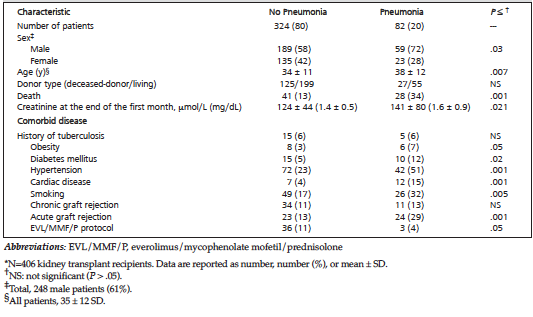
Table 1. Characteristics of Kidney Transplant Recipients With or Without Pneumonia*
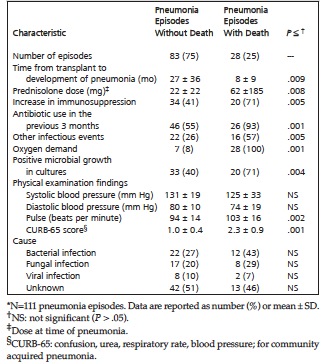
Table 2. Characteristics Associated With Death in Kidney Transplant Recipients Who Had Pneumonia Episodes*
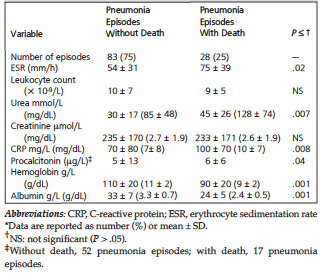
Table 3. Laboratory Findings in Kidney Transplant Recipients Who Had Pneumonia Episodes Without or With Death*
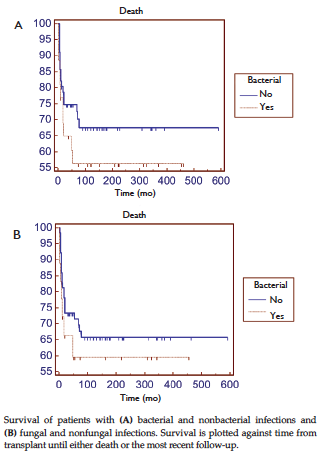
Figure 1. Kaplan-Meier Plots Showing Survival of Patients