Volume: 14 Issue: 2 April 2016
FULL TEXT
Objectives: We sought to assess the characteristics of hepatitis C virus-positive young adults who received a liver transplant and to evaluate posttransplant outcomes.
Materials and Methods: United Network for Organ Sharing database was conducted from 1989 to 2012, and retrospective analysis was performed on all hepatitis C virus-positive young adult patients (aged, 8-35 y) who underwent a liver transplant in the United States.
Results: A total of 506 hepatitis C virus subjects were included. Average age at time of transplant was 30.1 ± 4.8 years. Median follow-up after first liver transplant was 46.1 months (13, 89.3 mo). During this time, 217 patients (42.8%) died at a mean age at the time of death of 34 ± 6.7 years including 176/ 506 (34.8%) after the first liver transplant, 34/71 (48.6%) after the second liver transplant, and 7/8 (87.5%) after the third liver transplant. The majority (65.7%) of retransplants were performed for hepatitis C virus recurrence. A mean of 1.15 liver transplants were performed per patient. Overall, 262 subjects were transplanted in the pre-Model for End-stage Liver Disease era, and 244 were transplanted post-MELD. Younger age, higher bilirubin, higher creatinine, hepatitis C carcinoma, shorter wait time, shorter cold ischemia time, nonwhite donor race, and the use of mycophenolate mofetil were significantly more common in the post-Model for End-stage Liver Disease era (all with P < .05). Importantly, 5-year patient and graft survival were not different between the pre- and post-Model for End-stage Liver Disease era.
Conclusions: Liver transplant in young adults for hepatitis C virus acquired during childhood has poor outcomes that did not improve in the post-Model for End-stage Liver Disease era. These findings should prompt more aggressive evaluation and treatment for hepatitis C virus in children.
Key words : End-stage liver disease, Viral hepatitis, Pediatric patients, Graft, Outcomes
Introduction
Chronic infection with hepatitis C virus (HCV) is a major reason for chronic liver disease and related complications worldwide. Hepatitis C virus-associated cirrhosis is the leading cause for liver transplant (LT) among adults in the United States.1 Chronic HCV infection affects 0.2% to 0.4% of children younger than 19 years of age, which is a much lower prevalence rate than the adult population, based on National Health and Nutrition Examination (NHANES) survey data.2,3 Interestingly, HCV infection appears to have different course in children compared with the natural history of HCV infection in adults, particularly with respect to the higher rate of spontaneous viral clearance and low incidence of progression to end-stage liver disease (ESLD) during childhood.4,5 Given these reasons, LT in pediatric patients having HCV hepatic cirrhosis is rare. However, progression to ESLD may occur during early adulthood mandating LT.6,7
Because of the potential of HCV infection in children and adolescents to progress to ESLD early in life, understanding the burden of HCV-ESLD on the need for LT in young adults and determining the outcomes and survival after transplant in this group is paramount.
We sought to perform a comprehensive analysis of a large national liver transplant registry in the United States to characterize young adults who received LT for chronic HCV and to determine graft and patient survival post-LT. We also assessed the effect of implementation of the Model for End-stage Liver Disease (MELD) score in 2002 on post-LT graft and patient survival.
Materials and Methods
Study population
The study included all young adult patients between the ages of 18 and 35 years
with a primary diagnosis of HCV or seropositivity for HCV at time of LT who had
a deceased-donor and had no previous LT. Data were extracted from United Network
for Organ Sharing (UNOS) database and retrospective analysis was performed on
the patients who underwent LT in the United States from the 1989 to 2012.
Patients were stratified into 2 groups based on transplant era: pre-MELD and post-MELD. The pre-MELD era was defined as a receipt of a liver transplant prior to February 27, 2002, and post-MELD era was defined as a receipt of a liver transplant on or after this date.
All demographic data, laboratory values, and MELD scores, and graft and patient survival were obtained from the database.
Statistical analyses
Data are presented as mean ± standard deviation or median (25th, 75th
percentiles) for continuous variables and N (%) for categorical factors. A
univariate analysis was performed to assess differences in the subjects’
transplanted pre- and post-MELD era. Analysis of variance (ANOVA) or the
nonparametric Kruskal-Wallis tests were used for continuous variables and
Pearson chi-square tests or Fisher exact tests were used for categorical
factors.
Patient and graft survival
Kaplan-Meier product limit estimates were used to assess patient and graft
survival, and log-rank tests were used to compare the groups. In addition,
multivariable Cox regression analysis was per-formed. An automated stepwise
variable selection method performed on 1000 bootstrap samples was used to choose
the final model. Model for End-Stage Liver Disease era factors were included in
all models and all other baseline characteristics were considered for inclusion;
those with inclusion rates of at least 20% were included in the final models.
Retransplant cumulative incidence rates were estimated. A P value < .05 was
considered statistically significant. SAS version 9.4 (The SAS Institute, Cary,
NC) was used to perform all analyses.
Results
Demographics of young adults with liver transplant for chronic hepatitis C
virus infection
A total of 506 subjects with HCV were transplanted between 1989 and 2012 and
were included in the study (Figure 1). Two hundred sixty-two subjects were
transplanted in the pre-MELD era and 244 were transplanted post-MELD. Starting
in 2002, an average of 22 young adults received LT for HCV per year with a range
from 11 to 29 transplants per year. Table 1 presents a summary of patient
characteristics. They included 60.7% were male, 61.8% were white, and 22.8% were
Hispanic. Average age at time of transplant was 30 ± 5 years; Figure 2 presents
a histogram with age distribution.
The mean body mass index was 26.6 ± 5.8 kg/m2, diabetes was present in 7%, and 11.2% were on dialysis before LT. Of note, only 2.2% of patients received an organ from HCV-positive donor. Combined liver and kidney transplant was performed in 4.2% of patients.
Outcomes after liver transplant for hepatitis C virus in young subjects
The median follow-up after the first LT was 46.1 months (13, 89.3 mo). During
this time, 217 patients (42.8%) died at a mean age at the time of death of 34 ±
6.7 years including 176/ 506 (34.8%) after the first LT, 34/71 (48.6%) after the
second LT, and 7/8 (87.5%) after the third LT (Figure 3). The most common cause
of death was graft failure (25.9%) followed by infection (16.1%) (Table 2).
Overall, 71 patients (14%) were retransplanted, with the majority (65.7%) of
retransplants being performed for HCV recurrence. A mean of 1.15 LTs were
performed per patient. Of the 71 subjects who were retransplanted, 34 died
(48.6%) and 8 (11.4%) required a third transplant. The main cause of death after
the second LT was graft failure and infection equally (n = 7 subjects, 20.6% in
each group), followed by cardiac cause in 5 subjects (14.7%).
Outcomes in the pre- and post-Model for End-Stage Liver Disease era
As expected, median serum bilirubin and creatinine levels were higher in the
post-MELD era than the pre-MELD (P value < .05 for both) (Table 1).
Moreover, younger age, the presence of hepatitis C carcinoma, shorter wait time,
shorter cold ischemic time, nonwhite donor race, and the use of mycophenolate
were all significantly more common in the post-MELD era (all with P <
.05) as shown in Table 1. Importantly, 5-year patient and graft survival were
not different between the pre- and post-MELD era as shown by Kaplan-Meier
analysis in Figures 4 and 5. Furthermore, on multivariable Cox regression
analysis, MELD era was not found to be associated with either patient or graft
survival (HR [95% CI] of 0.72 [0.48-1.07] and 0.95 [0.69-1.3]).
Discussion
Although children represent a small proportion of the total HCV-infected population (5-11 million out of an estimated 180 million infected subjects),8 a substantial number of children are at risk for serious consequences including cirrhosis, ESLD, and subsequent need for LT during late childhood and early adulthood.7,9
The main findings of the current analysis are (1) HCV acquired during childhood can progress to ESLD requiring LT in early adulthood; (2) outcomes after LT for young adults with HCV are suboptimal with only 51% of patients being alive at last follow-up with their first LT; (3) approximately 14% of HCV-young transplanted patients required retransplant mainly for HCV recurrence; and (4) compared with the pre-MELD era, implementation of the MELD score was not found to be associated with improved patient or graft survival.
Despite the slowly progressive nature of HCV infection in children, the progression of HCV to ESLD requiring LT during childhood is well documented. By reviewing the UNOS database between 1994 and 2010, Gupta and associates identified 120 HCV-seropositive pediatric LT recipients between ages 5 and 17 years. In our study, although most of patients were transplanted around the age of 30 years, a significant portion of patients with HCV received LT before age 25. Therefore, children should be considered for early treatment to prevent the progression to advanced liver disease and its complications early in life. The current strategy of deferring treatment in children for several years may not be appropriate, given that many of these patients are lost to follow-up as they transition from pediatric to adult care. Treatment of chronic HCV infection in adults is witnessing a revolution with the approval of all oral interferon-free regimens with high cure rates and minimal adverse effects.10 Unfortunately, none of these medications is approved in children, and the only treatment is to use the combination of interferon with ribavirin with its adverse events profile.11 Several studies are being conducted currently to assess the safety and efficacy of all oral regimens in children and adolescents with chronic hepatitis C infection and are expected to change the landscape of treatment in this population (ClinicalTrials.gov Identifiers: NCT02175758, NCT02249182).
Five-year patient survival after LT for HCV in adults is approximately 60% to 80% in most series,12 which is similar to our results. This suboptimal outcome is related mainly to the recurrence of HCV in the transplanted graft, which can happen in more than 95% of patients.13 Regardless of recurrence, cirrhosis develops in approximately 20% to 40% of recipients within 5 to 10 years after transplant, and this percentage is likely to correlate with the duration of follow-up.14 Recurrent HCV-related graft failure remains the leading cause of death in these patients,15 and the outcomes after second LT are poor. A large study on the natural history of HCV in children after OLT revealed patient and allograft survival rates of 71.6% and 55% at 5 years.16 These rates were lower after retransplant (55% for patient survival and 33.8% for allograft survival). In our analysis graft and patient survival decreased by almost 50% after second LT compared with the survival after primary transplant.
Interestingly, the current study did not identify differences in overall recipient and graft survival at 5 years when comparing LT recipients before and after the implementation of the MELD score. This is in contrast to the report by Gupta and associates that revealed that transplanted children in the post-PELD era had superior interval recipient and graft survival compared with those in the pre-PELD era.17 Despite improvements in pre-LT medical therapy and surgical technique, in our study, management of posttransplant liver recipients with HCV did not differ significantly between the pre- and post-MELD era. This may change significantly with the widespread use of oral direct-acting antiviral to treat HCV recurrence that started in 2013.
The major strength of our analyses is the use of the entire national LT database from the UNOS registry to determine the long-term outcomes of young adults receiving LT because of HCV, and to evaluate graft and patient survival comparing pre- and post-MELD groups. Our study has several limitations, related mainly to the retrospective analysis of the UNOS database and coding errors. Our assignment of HCV as the primary indication for LT relied on primary diagnoses codes to determine the cause of liver disease in these patients. We assumed that most patients with hepatitis C seropositivity older than 18 years had significant liver disease attributable to the virus; however, HCV may not have been the primary reason of ESLD in all these patients.
In summary, HCV infection acquired in children and adolescents can progress to ESLD in early adulthood requiring LT. The outcomes of LT in this age group remain unfavorable and did not improve in the post-MELD era. Our findings hopefully will raise awareness of the serious early consequences of pediatric HCV and emphasize the importance of early treatment of children with persistent viremia. Further studies are required to assess the effect of newly approved HCV medications on the need for LT in young adults and on graft failure because of HCV recurrence after LT and the need for retransplant.
References:
- Verna EC, Brown RS Jr. Hepatitis C virus and liver transplantation. Clin
Liver Dis. 2006;10(4):919-940.
CrossRef - PubMed - Alter MJ, Kruszon-Moran D, Nainan OV, et al. The prevalence of hepatitis
C virus infection in the United States, 1988 through 1994. N Engl J Med.
1999;341(8):556-562.
CrossRef - PubMed - Denniston MM, Jiles RB, Drobeniuc J, et al. Chronic hepatitis C virus
infection in the United States, National Health and Nutrition Examination
Survey 2003 to 2010. Ann Intern Med. 2014;160(5):293-300.
CrossRef - PubMed - Tovo PA, Pembrey LJ, Newell ML. Persistence rate and progression of
vertically acquired hepatitis C infection. European Paediatric Hepatitis C
Virus Infection. J Infect Dis. 2000;181(2):419-424.
CrossRef - PubMed - Casiraghi MA, De Paschale M, Romanò L, Biffi R, Assi A, Binelli G,
Zanetti AR. Long-term outcome (35 years) of hepatitis C after acquisition of
infection through mini transfusions of blood given at birth. Hepatology.
2004;39(1):90-96.
CrossRef - PubMed - Goodman ZD, Makhlouf HR, Liu L, et al. Pathology of chronic hepatitis C
in children: liver biopsy findings in the Peds-C Trial. Hepatology.
2008;47(3):836-843.
CrossRef - PubMed - Bortolotti F, Verucchi G, Cammà C, et al; and the Italian Observatory
for HCV Infection and Hepatitis C in Children. Long-term course of chronic
hepatitis C in children: from viral clearance to end-stage liver disease.
Gastroenterology. 2008;134(7):1900-1907.
CrossRef - PubMed - Gower E, Estes C, Blach S, Razavi-Shearer K, Razavi H. Global
epidemiology and genotype distribution of the hepatitis C virus infection. J
Hepatol. 2014;61(1 suppl):S45-S57.
CrossRef - PubMed - Minola E, Prati D, Suter F, et al. Age at infection affects the
long-term outcome of transfusion-associated chronic hepatitis C. Blood.
2002;99(12):4588-4591.
CrossRef - PubMed - Myers RP, Shah H, Burak KW, Cooper C, Feld JJ. An update on the
management of chronic hepatitis C: 2015 Consensus guidelines from the
Canadian Association for the Study of the Liver. Can J Gastroenterol
Hepatol. 2015;29(1):19-34.
PubMed - Mack CL, Gonzalez-Peralta RP, Gupta N, et al; and the North American
Society for Pediatric Gastroenterology, Hepatology, and Nutrition. NASPGHAN
practice guidelines: Diagnosis and management of hepatitis C infection in
infants, children, and adolescents. J Pediatr Gastroenterol Nutr.
2012;54(6):838-855.
CrossRef - PubMed - Gane EJ, Portmann BC, Naoumov NV, et al. Long-term outcome of hepatitis
C infection after liver transplantation. N Engl J Med. 1996;334(13):815-820.
CrossRef - PubMed - Dickson RC, Caldwell SH, Ishitani MB, et al. Clinical and histologic
patterns of early graft failure due to recurrnet hepatitis C in four
patients after liver transplantation. Transplantation. 1996;61(5):701-705.
CrossRef - PubMed - Berenguer M, Ferrell L, Watson J, et al. HCV-related fibrosis
progression following liver transplantation: increase in recent years. J
Hepatol. 2000;32(4):673-684.
CrossRef - PubMed - Féray C, Caccamo L, Alexander GJ, et al. European collaborative study on
factors influencing outcome after liver transplantation for hepatitis C.
European Concerted Action on Viral Hepatitis (EUROHEP) Group.
Gastroenterology. 1999;117(3):619-625.
CrossRef - PubMed - Barshes NR, Udell IW, Lee TC, et al. The natural history of hepatitis C
virus in pediatric a liver transplant recipients. Liver Transpl.
2006;12(7):1119-1123.
CrossRef - PubMed - Gupta M, Bahirwani R, Levine MH, et al. Outcomes in pediatric hepatitis
C transplant recipients: analysis of the UNOS database. Pediatr Transplant.
2015;19(2):153-163.
CrossRef - PubMed

Volume : 14
Issue : 2
Pages : 201 - 206
DOI : 10.6002/ect.2015.0092
From the 1Department of Gastroenterology and Hepatology and
Digestive Disease Institute, and the 2Department of Quantitative
Health Sciences; Cleveland Clinic, Cleveland, OH
Acknowledgements: The authors have no conflicts of interest to declare.
The study was supported by the ACG Junior Faculty Development Award to NA. BM,
IAH, NNZ, AM, and NA were involved in developing study concept and design;
acquisition of data; analysis and interpretation of data; drafting of the
manuscript; critical revision of the manuscript. RL performed statistical
analysis and provided critical revision of the manuscript for important
intellectual content.
Corresponding author: Naim Alkhouri, M.D., Department of Gastroenterology
and Hepatology, Cleveland Clinic Foundation, 9500 Euclid Avenue, Cleveland, OH,
USA 44195
Phone: +1 216 444 9000
Fax: +1 216 444 2974
E-mail: alkhoun@ccf.org
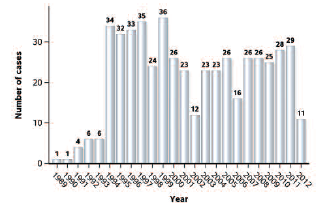
Figure 1. Number of Hepatitis C Virus Young Adults Who Received a Liver Transplant
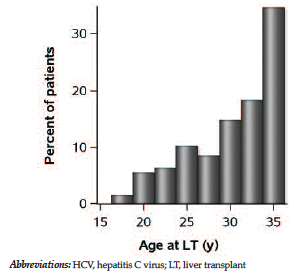
Figure 2. Age Distribution of Hepatitis C Virus-Infected Patients Who Underwent a Liver Transplant
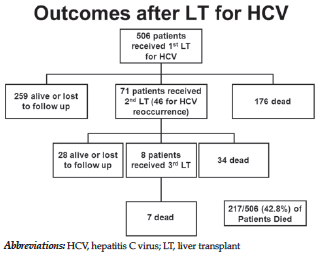
Figure 3. Outcomes of a Liver Transplant in Young Adults With Chronic Hepatitis C Virus Infection
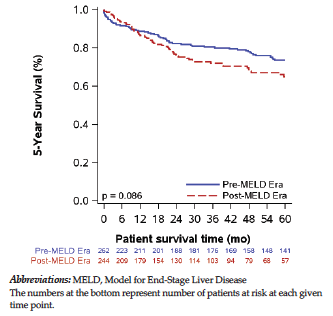
Figure 4. Five-Year Patient Survival After a Liver Transplant
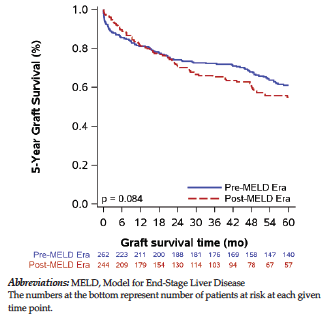
Figure 5. Five-Year Graft Survival After a Liver Transplant
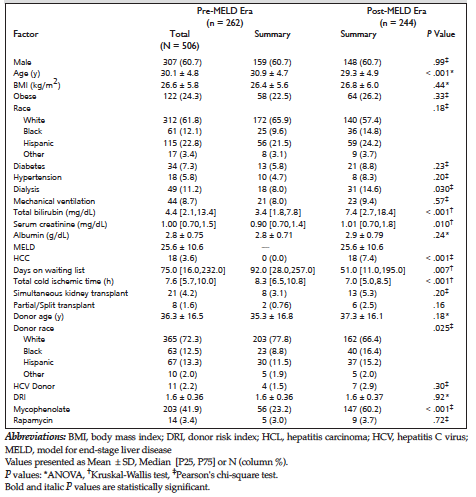
Table 1. Characteristics of Young Liver Transplant Recipients
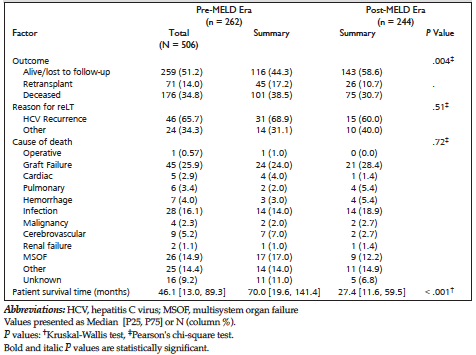
Table 2. Outcomes of Liver Transplant in Children and Young Adults with Hepatitis V Virus