Volume: 14 Issue: 5 October 2016
FULL TEXT
Objectives: Cytomegalovirus infection is a major cause of morbidity and mortality in solid-organ transplant. Low doses of valacyclovir have been administered as cytomegalovirus prophylaxis in our institution for years. To the best of our knowledge, there is no published study of a low-dose regimen for cytomegalovirus prophylaxis in heart transplant patients. Therefore, our aim was to determine the results of low doses of valacyclovir in heart transplant.
Materials and Methods: Between September 2006 and December 2014, sixty-eight patients underwent orthotopic heart transplants. All of the patients received triple immunosuppressive therapy after surgery. During the next 6 months, sulfamethoxazole/trimethoprim was administered for Pneumocystis jiroveci pneumonia, and toxoplasmosis. Additionally all patients received valacyclovir hydrochloride (1000 mg/d, oral) for cytomegalovirus prophylaxis and nystatin oral rinse for prophylaxis of fungal infections.
Results: There was only 1 cytomegalovirus infection at follow-up. The patient had cytomegalovirus pneumonia at 17-month follow-up. In response to treatment with 1-week intravenous ganciclovir, the patient was discharged with a further 6-month oral valacyclovir therapy (1000 mg/d).
Conclusions: In this study, we hypothesized that daily use of low-dose valacyclovir (1000 mg/d) is not only sufficient for cytomegalovirus prophylaxis but also beneficial in terms of cost.
Key words : Treatment outcome, Valganciclovir, Solid-organ transplant
Introduction
Cytomegalovirus (CMV) infection is a major cause of morbidity and mortality in solid-organ transplant patients.1 Many varieties of antiviral agents, with administration at different doses, have been used so far in the treatment of transplant patients with CMV infection and disease. Recently, some guidelines and reviews have recommended valganciclovir as the prophylactic agent of choice,2 although prophylactic antiviral therapy (agent, dose, and duration) varies between centers, especially because of adverse effects and increased costs of the agents. In recent years, many studies have reported that valacyclovir, which is a prodrug converted in vivo to acyclovir, is effective both for CMV prophylaxis and for reducing transplant rejection.3-5 However, the standard dosage protocol of 2000 mg valacyclovir every 6 hours may be responsible for neuropsychiatric symptoms in patients.6 A low dosage of valacyclovir has been used for CMV prophylaxis in our institution for years. To the best of our knowledge, there is no published study of a low-dose prophylactic regimen for CMV in heart transplant patients. Therefore, our aim in this study was to determine the results of low-dose valacyclovir in these patients.
Materials and Methods
Patient population
Between September 2006 and December 2014, sixty-eight patients underwent
orthotopic heart transplant. Of these, 48 were male (70.5%). Patients ranged in
age from 13 to 61 years old (mean age, 37 ± 13.6 y). The major indication for
heart transplant was dilated cardiomyopathy (72.1%). Of 68 patients, 24 (35.2%)
had undergone a previous cardiac surgery. All of the transplant procedures had
been performed with bicaval surgical technique.
Postoperative treatment
Triple immunosuppressive therapy (5-10 mg/kg/d cyclosporine, 1 mg kg/d
corticosteroid, and mycophenolate mofetil) was administered to all of our
patients after surgery. Basiliximab induction therapy was administered on the
day of surgery and at postoperative day 4. Antibiotic prophylaxis with cefazolin
(1 g every 6 h intravenously) was continued until the chest tube was removed.
For the next 6 months, sulfamethoxazole/trimethoprim (960 mg/d orally) was
administered for Pneumocystis jiroveci pneumonia, and toxoplasmosis.
Additionally all patients received valacyclovir hydrochloride (1000 mg/d orally)
for CMV prophylaxis and nystatin oral rinse (5 mL/d) for prophylaxis of fungal
infections. Antibiotic prophylaxis (sulfamethoxazole/trimethoprim, nystatin,
and valacyclovir hydrochloride) was terminated 6 months after transplant.
Postoperative follow-up
At our institution, follow-up is monthly for the first 6 months and then every 3
months. All patients received detailed physical examinations, laboratory tests
(biochemistry, total blood count, urine analysis, nasal, throat, and urine
culture analyses), chest radiograph, and echocardiography examination during
each office visit. Endomyocardial biopsy was performed at week 1 and week 2
after transplant and then at the first, third, sixth, and 12th months. Pulse
methylprednisolone therapy (1 g/d for 3 d) was initiated for episodes of acute
rejection. At 1 year after transplant, patients without major complications were
followed every 3 months and examined by noninvasive procedures.
We administered a prophylactic regimen of oral valacyclovir in all of our transplant patients. Unless there are symptoms of CMV infection or disease, we do not screen CMV routinely with antigen titers or polymerase chain reaction analyses. If a recipient is suspected of having CMV, then these measures are requested.
Statistical analyses
Continuous variables are shown as means ± standard deviation or shown as median
values with range if not normally distributed. Categoric variables are expressed
as numbers and percentages. All statistical analyses were performed using SPSS
statistical software (SPSS for Windows 15.0; SPSS Inc., Chicago, IL, USA).
Results
The mean follow-up was 33.7 ± 31.4 months. Findings for the patient who had the longest follow-up were shown to be uneventful at 8.3 years. In 10 patients, there was a need for conversion of cyclosporine to other agents as a result of cyclosporine toxicity (5 to tacrolimus, 4 to everolimus, and 1 to sirolimus). There was only one CMV infection at follow-up (positive pp65 antigenemia), in which a patient had CMV pneumonia at month 17. After treatment with 1-week intravenous ganciclovir, the patient was discharged with a further 6-month oral valacyclovir therapy (1000 mg every 6 h). Four patients showed agitation postoperatively in the intensive care unit. However, administration of the drug (valacyclovir) was never interrupted. These agitations disappeared, with patients responding normally within 2 days. This situation was considered to be related to cardiopulmonary bypass; therefore, valacyclovir dosage reduction or discontinuation was not performed. Endomyocardial biopsy was performed as described above in the “Postoperative follow-up” section. In 231 biopsies, no chronic rejection was noticed. Three patients had angina and segmental wall contraction deterioration, as shown by echocardiography. These patients were diagnosed as allograft coronary vasculopathy after coronary angiography. Complications during follow-up are listed in Table 1.
Discussion
Cytomegalovirus infection is defined as the isolation of Cytomegalovirus DNA or antigen from samples. On the other hand, CMV disease is defined as clinical findings and/or organ dysfunction along with evidence of cytomegalovirus infection.7 Although CMV infection after transplant is usually caused by donor origin, it may be caused by reactivation of the latent virus in the recipient. Manifestations of CMV disease in solid-organ transplant patients have a wide spectrum of clinical presentation (from a mild febrile illness to potentially fatal multiple organ failure), which is markedly more prevalent in the first 6 months after transplant.8
Cytomegalovirus infection is a major cause of morbidity and mortality in solid-organ transplant recipients. In addition, it has been shown that CMV infection is an independent risk factor for indirect acute or chronic allograft rejection.9 Prophylactic therapy or preemptive treatment is used to reduce the episodes of CMV infection in solid-organ transplant patients.10 The certain consensus is that the prophylactic therapy is effective in reducing CMV infection rates and organ failure, even if there are controversies about which prophylactic strategy is better.11 Common prophylactic antiviral agents include high-dose acyclovir, immunoglobulins, ganciclovir, and recently valganciclovir and valacyclovir. However, the main problem of the prophylactic strategy is the cost and adverse effects because of dosage levels.12,13 Therefore, there is still no optimal prophylactic strategy (agent, dose, and duration) for CMV infection. Intravenous immunoglobulin therapy brings increased costs, and it also has been documented that the effectiveness of this treatment is no better than ganciclovir.13 The effectiveness of oral acyclovir has been studied in many trials; however, it has been shown that the effectiveness is not adequate for donor seropositive/recipient seronegative patients.14,15
Valacyclovir is a newly introduced agent to reduce CMV infections and rejections. Valacyclovir prophylaxis has been shown to reduce the incidence of CMV disease from 22% to 2%.16 Lowance and associates reported that high-dosage valacyclovir prophylaxis (8 g/d) was an effective modality.17 However, they indicated that the prophylactic therapy had to be discontinued for 38% of the patients because of neurologic adverse effects. Low-dose valacyclovir prophylaxis (3 g/d) has to be shown to be effective as a high-dose regimen. Despite low-dose levels, there are still occurrences of adverse effects.18,19 Reddy and associates stated that the rate of drug discontinuation due to adverse effects was 6%.18 On the other hand, Sund and associates reported no neurologic adverse effects with low-dose valacyclovir prophylaxis (3 g/d).19 Toussaint and associates studied the efficacy of low-dose valacyclovir (3 g/day for 3 mo) and intravenous CMV immunoglobulin (1.8 g/wk) in donor seropositive/recipient seronegative patients. The incidence of CMV disease in their study was 5% at 6 months and 10% at 4 years.20
The well-accepted opinion for the minimum dosage of valacyclovir in patients with glomerular filtration rate below 10 mL/min or in dialysis patients is 1500 mg.19,20
The only patient group that does not require CMV antiviral prophylaxis is donor seronegative/recipient seronegative patients.21 However, these patients are rarely encountered, and all recipients require antiviral prophylaxis against herpes simplex virus and varicella-zoster virus.22 For this reason, we do not test donors or recipients for CMV immunoglobulins M or G. We administer a lower dosage regimen for heart transplant patients (1 g/d) beginning at postoperative day 1, which is continued for 6 months. In our study, the incidence of CMV disease in the 8-year period was 1.4%, with 1 patient having CMV pneumonia.
A lower dosage regimen yields an additional benefit regarding cost of treatment. Legendre and associates reported valacyclovir as the most cost-effective prophylactic regimen in a study that compared the efficacy and costs of 8 g/day of valacyclovir versus oral ganciclovir.23
Conclusions
In our study, we tried to show that use of low-dose valacyclovir 1000 mg/d is sufficient for prophylaxis of CMV and is beneficial in terms of cost.
Limitations
The small number of patients, the fact that CMV immunoglobulins were not monitored in both donor and transplant patients, and the fact that comparisons of different doses were not made were the limitations of our study. However, we consider that this study, which consists of a small group of patients, showed the effective treatment with such low doses and will prompt the formation of larger studies in the future.
References:
- Paya CV, Razonable, RR. Cytomegalovirus infection after solid organ transplantation. In: Bowden R, Ljungman P, Paya C, eds. Transplant Infections. 2nd ed. New York, NY: Lippincott-Raven, 2003:298-325.
- Kotton CN. CMV: prevention, diagnosis and therapy. Am J Transplant.
2013;13 Suppl 3:24-40; quiz 40.
CrossRef - PubMed - Humar A, Snydman D, Practice ASTID Community of practice.
Cytomegalovirus in solid organ transplant recipients. Am J Transplant.
2009;(9 Suppl 4):S78-86.
CrossRef - PubMed - Salman N. Treatment of CMV. J Pediatr Inf. 2011;5 (Suppl 1):213-216.
- Kalil AC, Levitsky J, Lyden E, Stoner J, Freifeld AG. Meta-analysis: the
efficacy of strategies to prevent organ disease by cytomegalovirus in solid
organ transplant recipients. Ann Intern Med. 2005;143(12):870-880.
CrossRef - PubMed - Das V, Peraldi MN, Legendre C. Adverse neuropsychiatric effects of
cytomegalovirus prophylaxis with valaciclovir in renal transplant
recipients. Nephrol Dial Transplant. 2006;21(5):1395-1401.
CrossRef - PubMed - Mendez-Eirin E, Paniagua-Martin MJ, Marzoa-Rivas R, et al. Cumulative
incidence of cytomegalovirus infection and disease after heart
transplantation in the last decade: effect of preemptive therapy. Transplant
Proc. 2012;44(9):2660-2662.
CrossRef - PubMed - Kijpittayarit-Arthurs S, Eid AJ, Kremers WK, et al. Clinical features
and outcomes of delayed-onset primary cytomegalovirus disease in cardiac
transplant recipients. J Heart Lung Transplant. 2007;26(10):1019-1024.
CrossRef - PubMed - Costello JP, Mohanakumar T, Nath DS. Mechanisms of chronic cardiac
allograft rejection. Tex Heart Inst J. 2013;40(4):395-399.
PubMed - Potena L, Grigioni F, Magnani G, et al. Prophylaxis versus preemptive
anti-cytomegalovirus approach for prevention of allograft vasculopathy in
heart transplant recipients. J Heart Lung Transplant. 2009;28(5):461-467.
CrossRef - PubMed - Strippoli GF, Hodson EM, Jones CJ, Craig JC. Pre-emptive treatment for
cytomegalovirus viraemia to prevent cytomegalovirus disease in solid organ
transplant recipients. Cochrane Database Syst Rev. 2006(1):CD005133.
CrossRef - PubMed - Ormrod D, Scott LJ, Perry CM. Valaciclovir: a review of its long term
utility in the management of genital herpes simplex virus and
cytomegalovirus infections. Drugs. 2000;59(4):839-863.
CrossRef - PubMed - Rubin RH, Kemmerly SA, Conti D, et al. Prevention of primary
cytomegalovirus disease in organ transplant recipients with oral ganciclovir
or oral acyclovir prophylaxis. Transpl Infect Dis. 2000;2(3):112-117.
CrossRef - PubMed - Balfour HH, Jr., Chace BA, Stapleton JT, Simmons RL, Fryd DS. A
randomized, placebo-controlled trial of oral acyclovir for the prevention of
cytomegalovirus disease in recipients of renal allografts. N Engl J Med.
1989;320(21):1381-1387.
CrossRef - PubMed - Flechner SM, Avery RK, Fisher R, et al. A randomized prospective
controlled trial of oral acyclovir versus oral ganciclovir for
cytomegalovirus prophylaxis in high-risk kidney transplant recipients.
Transplantation. 1998;66(12):1682-1688.
CrossRef - PubMed - Egan JJ, Carroll KB, Yonan N, Woodcock A, Crisp A. Valacyclovir
prevention of cytomegalovirus reactivation after heart transplantation: a
randomized trial. J Heart Lung Transplant. 2002;21(4):460-466.
CrossRef - PubMed - Lowance D, Neumayer HH, Legendre CM, et al. Valacyclovir for the
prevention of cytomegalovirus disease after renal transplantation.
International Valacyclovir Cytomegalovirus Prophylaxis Transplantation Study
Group. N Engl J Med. 1999;340(19):1462-1470.
CrossRef - PubMed - Reddy SP, Handa A, Tan L, et al. Low-dose valaciclovir prophylaxis
against cytomegalovirus disease in renal transplant recipients. Transpl Int.
2003;16(10):726-729.
CrossRef - PubMed - Sund F, Wahlberg J, Eriksson BM. CMV disease in CMV-mismatched renal
transplant recipients with prophylactic low dose valaciclovir. J Clin Virol.
2001;23(1-2):107-111.
CrossRef - PubMed - Toussaint ND, Tan MB, Nicholls K, Walker RG, Cohney SJ. Low-dose
valaciclovir and cytomegalovirus immunoglobulin to prevent cytomegalovirus
disease in high-risk renal transplant recipients. Nephrology (Carlton).
2011;16(1):113-117.
CrossRef - PubMed - Kidney Disease: Improving Global Outcomes Transplant Work Group. KDIGO
clinical practice guideline for the care of kidney transplant recipients. Am
J Transplant. 2009;9 Suppl 3:S1-155.
CrossRef - PubMed - Razonable RR, Rivero A, Rodriguez A, et al. Allograft rejection predicts
the occurrence of late-onset cytomegalovirus (CMV) disease among
CMV-mismatched solid organ transplant patients receiving prophylaxis with
oral ganciclovir. J Infect Dis. 2001;184(11):1461-1464.
CrossRef - PubMed - Legendre C, Beard SM, Crochard A, et al. The cost-effectiveness of
prophylaxis with valaciclovir in the management of cytomegalovirus after
renal transplantation. Eur J Health Econ. 2005;6(2):172-182.
CrossRef - PubMed

Volume : 14
Issue : 5
Pages : 551 - 554
DOI : 10.6002/ect.2015.0109
From the 1Department of Cardiovascular Surgery and the 2Department
of Infectious Disease, Turkey Yuksek Ihtisas Hospital, Ankara, Turkey
Acknowledgements: The authors declare no conflicts of interest and
received no financial support for the research and/or authorship of this
article.
Corresponding author: Umit Kervan, Turkey Yuksek Ihtisas Hospital,
Department of Cardiovascular Surgery, 06100 Sýhhiye/Ankara, Turkey
Phone: +90 312 306 1242
Fax: +90 312 310 0378
E-mail: drukervan@yahoo.com
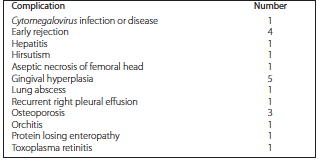
Table 1. Complications Observed During Follow-up